Work-from-home outage: router, laptop, lights, phone
What size power station keeps Wi-Fi and a laptop up during an outage?
No compressor. The load is hours of router, laptop, lights, a phone, and a few hours of TV. Capacity binds first. A boost-only peak still covers this mix because nothing here has a motor start.
The answer
- Battery to shop
- 1,165 Wh
- Daily energy
- 825 Wh
- Startup surge
- Not modelled
- All devices at once
- 193 W
Nameplate capacity, after inverter loss and a 20 percent reserve, for 1 day.
5 devices after duty cycle, before conversion losses.
No startup inrush value is entered. Check device and adapter specifications.
Continuous output the station has to hold if nothing is staggered.
Simultaneous draw sits near 193 W with no modelled surge, so mid-size inverters clear output. The shop figure is watt-hours after inverter loss and reserve. A station that fails a fridge start can still cover this load.
The load, row by row
| Device | Watts | Hours | Duty | Wh per day |
|---|---|---|---|---|
| Wi-Fi router / modemKeeps the connection up for the whole work block. | 12 W | 8 h | 100% | 96 Wh |
| LaptopCharging while working is the high end of laptop draw. | 60 W | 6 h | 100% | 360 Wh |
| LED lampEvening light after the outage starts late. | 9 W | 5 h | 100% | 45 Wh |
| Phone chargeOne phone charge. | 12 W | 2 h | 100% | 24 Wh |
| TelevisionA few hours of news or a screen after work, not all day. | 100 W | 3 h | 100% | 300 Wh |
| Total | 825 Wh |
Duty cycle is the share of each hour a device actually draws power. A compressor fridge cycles, so its average draw sits well below its nameplate.
What this load needs from a station
- Capacity.At least 1,165 Wh of nameplate capacity, which is 825 Wh of daily draw divided by 85 percent inverter efficiency and multiplied by a 1.2 reserve.
- Continuous output.At least 193 W if every device runs at once, or less if you stagger them.
- Startup surge.Startup inrush is not modelled for these rows. Check the device and adapter requirements; a missing surge value is not proof that no inrush occurs.
- Solar, if you plan to recharge off grid.About 194 W of panels to replace a day of draw in 5 peak sun hours. Check the station's published solar input limit, because a larger array than it accepts is wasted.
Verified models whose nameplate covers this estimated load (31)
Smallest nameplate that clears every calculated limit, first. These are not lab runtimes. Confirm the figures on the manufacturer page before you buy.
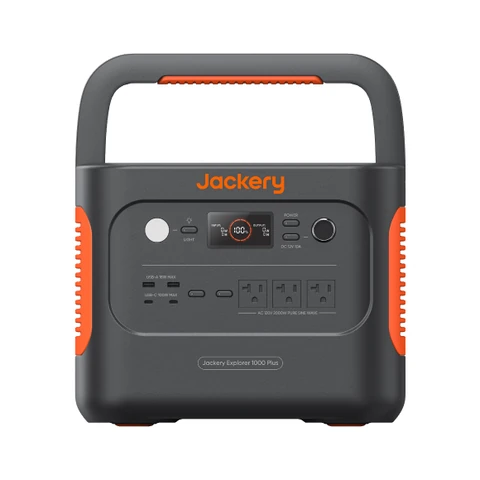 Jackery Explorer 1000 PlusSmallest that fits1,265 Wh / 2,000 W / 4,000 W surge · 100 Wh spare
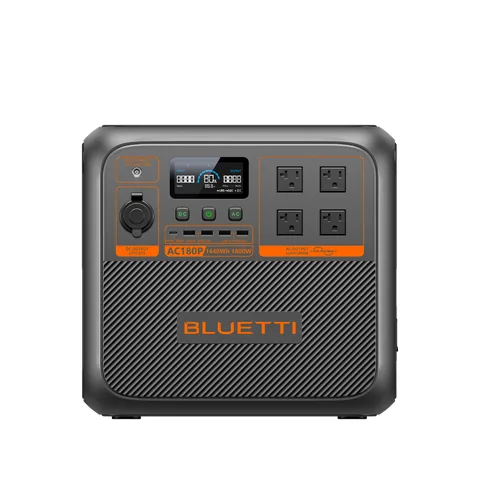 BLUETTI AC180P1,440 Wh / 1,800 W · boost only · 275 Wh spare
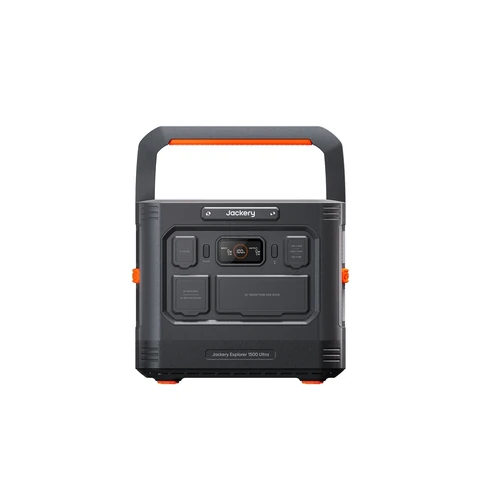 Jackery Explorer 1500 Ultra1,536 Wh / 1,800 W / 3,600 W surge · 371 Wh spare
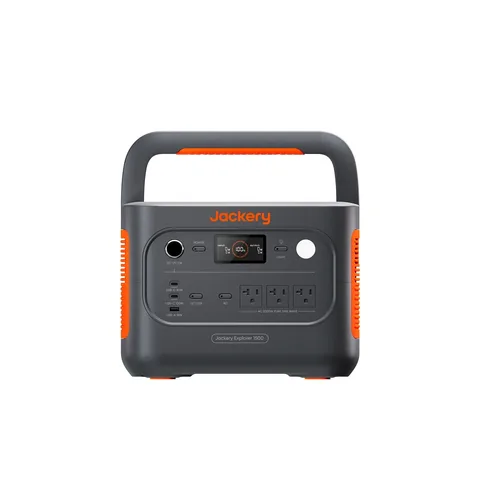 Jackery Explorer 1500 v21,536 Wh / 2,000 W / 4,000 W surge · 371 Wh spare
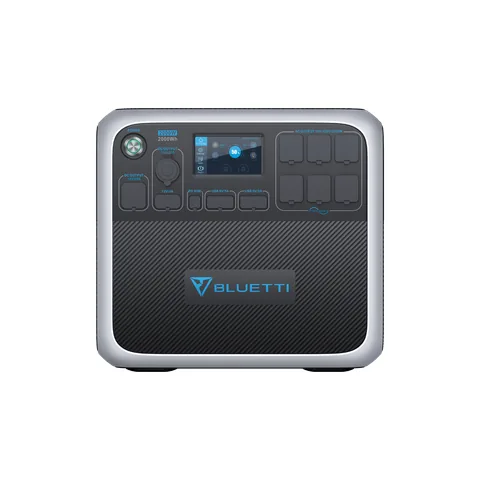 BLUETTI AC200P2,000 Wh / 2,000 W / 4,800 W surge · 835 Wh spare
45 models in the database publish a resistive boost rating instead of an inverter surge, so they are not counted here. Their capacity is still listed on their own pages.
What to cut if nothing fits
Drop the TV hours first. The laptop and router are the job; the television is spare.
Questions
Why does this load not care about surge?
None of these devices has a compressor or a tool motor in this library. Router, laptop, lights, phone, and a typical LCD television are treated as running watts only. A fridge outage is a different scenario.
Will a 500Wh pack cover a work day?
Usually not, once inverter loss and reserve are in. Six hours of a 60 W laptop plus eight hours of a router already spends most of a 500 Wh nameplate. Open the calculator and change laptop hours if you work from battery rather than from the charger.
The formulas and constants behind every figure on this page are documented on themethodology page. Source URLs for the specifications sit on eachmodel page.